


US Residential IPs provide a secure and reliable way to access geo-restricted websites while protecting your privacy and online identity. In today’s digital-first world, millions of users face blocked platforms, restricted services, unexpected account verifications, and privacy risks simply because their IP address doesn’t match the expected location.
After 15+ years working with residential IP infrastructure, remote access environments, and privacy-critical platforms, one fact is undeniable.
This guide explains how US Residential IPs, especially AT&T static residential IPs, enable secure, private, and uninterrupted access to geo-restricted websites while protecting your identity, reputation, and long-term online stability.

Understanding Geo-Restrictions and Location-Locked Websites
Why Websites Restrict Content by Location
Websites enforce geo-restrictions to:
- Comply with licensing agreements
- Prevent fraud and abuse
- Control regional pricing
- Meet regulatory requirements
From a technical perspective, IP location is the first and strongest signal platforms use to decide whether to trust or block you.
Common Examples of Geo-Blocked Platforms
- Streaming services with region-locked libraries
- Banking and fintech dashboards
- SaaS tools and ad platforms
- Government and compliance portals
- E-commerce pricing and checkout systems
How IP Location Determines Access
Websites cross-check your IP against:
- Geolocation databases
- ISP reputation records
- Abuse history and routing type
If your IP looks datacenter-based, shared, or artificial, access is restricted—even if your behavior is legitimate.
What Are US Residential IPs and Why They Matter
A US residential IP is assigned by an ISP to a real household, not a cloud server.
That single difference changes everything.
How Residential IPs Differ from Datacenter IPs
- Residential IPs = real homes, real ISPs
- Datacenter IPs = servers, automation, abuse history
- Residential IPs have high trust scores
- Datacenter IPs are pre-flagged by default
Why US Residential IPs Are Trusted Globally
US IPs—especially those routed through Tier-1 ISPs—are globally recognized for:
- Stability
- Transparency
- Compliance compatibility
This makes them ideal for location-based content unlocking and regional services access.
What Is an AT&T Static Residential IP?
An AT&T static residential IP is a fixed IP routed through a real residential ISP connection—not a proxy pool, not a rotating node.
Why AT&T Routing Matters
AT&T residential routing carries exceptionally high reputation scores, making it trusted by:
- Financial institutions
- SaaS security systems
- Government platforms
- High-value consumer services
How Static IPs Improve Consistency and Trust
- Same IP on every session
- No identity resets
- Minimal security challenges
- Long-term account stability
Benefits of AT&T-Based Residential Routing
- Clean US residential IP for browsing
- Non-datacenter IP routing
- Persistent reputation
- ISP-level legitimacy
AT&T Static Residential RDP Explained
What Is Residential RDP?
Residential RDP allows you to access a remote desktop that operates behind a real residential IP, not a server-grade connection.
How AT&T Static Residential RDP Works
Your entire session is routed through an AT&T static residential IP, making all browsing, logins, and activity appear identical to a real US household user.
Real-World Use Cases
- Accessing US-only platforms securely
- Managing sensitive accounts
- Remote work on restricted dashboards
- Privacy-sensitive browser environments
Why Static Residential RDP Is Preferred
Rotating IPs break trust.
Static residential RDP builds trust over time—which is exactly what protected platforms expect.
How US Residential IPs Bypass Geo-Restrictions Securely
Local User Appearance Explained
Residential IPs match:
- Local ISP routing
- Normal traffic patterns
- Consumer-grade behavior
This eliminates detection triggers before they start.
Avoiding Blocks and Verification Loops
- Fewer CAPTCHAs
- No proxy flags
- Lower suspension risk
Accessing Regional Services Without Detection
You can bypass geo-restrictions using US IPs without exposing your real location or identity.
Secure & Private Browsing with Clean Residential IPs
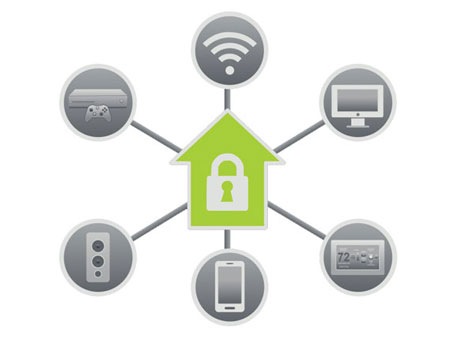
4
Digital Footprint Protection
Your IP is your online identity.
A static residential IP for privacy ensures:
- Predictable behavior
- Low-risk access
- Long-term trust
Why Clean IP Reputation Is Critical
Clean IPs:
- Have no abuse history
- Are not shared
- Build reputation over time
Privacy Advantages Over Proxies
Residential IPs prevent:
- ISP-level scrutiny
- Traffic fingerprinting
- Correlation attacks
Residential IPs vs Datacenter IPs
Why Datacenter IPs Fail
Datacenter IPs are:
- Publicly indexed
- Heavily abused
- Automatically distrusted
Trust & Performance Comparison
| Feature | Residential IP | Datacenter IP |
|---|---|---|
| Trust Score | High | Low |
| Detection Risk | Minimal | High |
| Geo-Access | Excellent | Poor |
Why Non-Datacenter Routing Is Essential
If access reliability matters, non-datacenter IP routing is non-negotiable.
Privacy-Sensitive Tasks That Benefit from AT&T Residential IPs
Secure Account Access
Avoid security loops and forced verifications.
Market Research & Regional Testing
See real US results, not filtered data.
Remote Work & Browser Platforms
Operate securely even on public networks using secure remote desktop with residential IP.
Key Benefits of AT&T Static Residential IPs
- Stable digital identity
- High global trust score
- Reliable regional access
- Fewer CAPTCHAs
- Strong privacy protection
This is why AT&T static residential IP connections are used by professionals—not casual users.
Choosing the Right US Residential IP Solution
Static vs Rotating Residential IPs
- Static → accounts, privacy, continuity
- Rotating → scraping, short sessions
When Residential RDP Is the Best Choice
If you need browser-level trust, session stability, and geo-access, residential RDP is unmatched.
What to Look for in a Provider
- AT&T-based routing
- Clean, dedicated IPs
- High uptime
- Real support
Final Thoughts on Secure Geo-Access with US Residential IPs
Geo-restricted access, privacy risks, and account instability are not random problems—they are IP-quality problems.
By choosing AT&T static residential IPs, you gain:
- Real US presence
- Long-term trust
- Secure, private access
This is the gold standard for serious users.
