
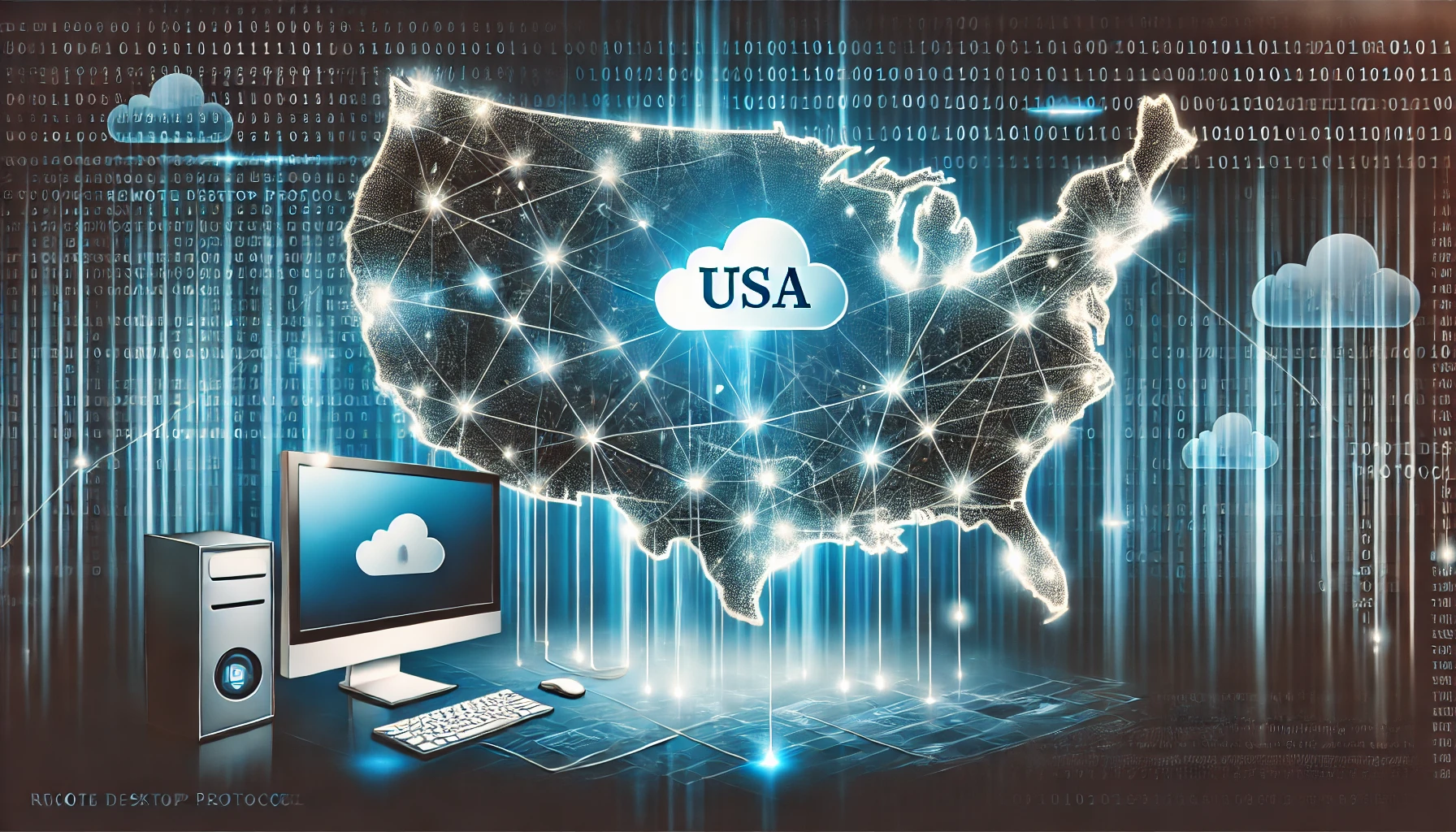


Remote Desktop Protocol (RDP) lets you work on a remote computer as if you were sitting in front of it. For businesses, freelancers and remote teams, renting an RDP server is a practical way to get a powerful, always-on machine without buying hardware. If you want a server located in the United States, a USA RDP plan places your desktop in a US data center and gives you a US IP address. This guide explains the main benefits of RDP hosting, what to check before you choose a provider, and where the technology is heading.
What Is a US-Based RDP Server?
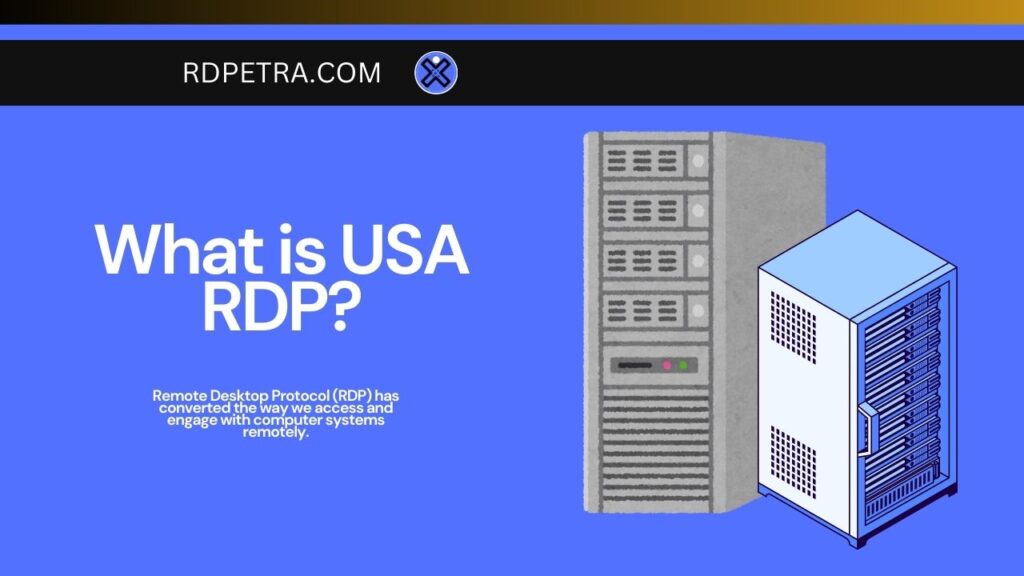
A US-based RDP server is a remote Windows or Linux machine hosted in a data center in the United States. You connect to it with a Remote Desktop client from your own computer, phone or tablet, and you see its full desktop. Your files and applications run on the server instead of on your device.
Unlike a simple VPN, which only routes your traffic through another location, an RDP server gives you a complete computer to work on. That makes it useful for tasks that need a stable connection, a fixed IP address or more power than your local device offers.
Why Consider RDP Hosting?
These are the main reasons businesses and individuals choose RDP hosting.
High-Speed Connectivity
Servers in well-connected data centers usually offer fast network ports and low latency for nearby users. This helps when you work with large files or run video editing software, CAD tools or data analysis programs. The heavy work happens on the server, and only the screen is sent to you.
Stronger Security
A good provider encrypts remote desktop sessions and lets you add protections such as strong passwords, two-factor authentication and firewall rules. Because your data stays on the server, a lost or stolen laptop does not expose your files.
A Location-Specific IP Address
With a server in the US, websites and services see a US IP address. This is useful for checking how a site looks to US visitors, managing US-based accounts or using services that are only available in the United States, as long as you follow each service’s terms of use.
Lower Cost
Renting an RDP server avoids the upfront cost of hardware, plus the electricity, maintenance and staff time that an office server needs. You pay a monthly fee and can usually upgrade when your needs grow.
Access From Any Device
You can connect from a laptop, tablet or phone, whether you are at home, in the office or traveling. Your session and files stay on the server, so you can pick up where you left off.
How RDP Hosting Improves Productivity
Easier Teamwork
Remote teams can share one server, so everyone works with the same software and files. This simplifies shared projects and makes it easier for a colleague to help troubleshoot a problem. Check that your plan and Windows licensing allow several users before you share one machine.
Centralized Data
Keeping files, databases and client data on one server avoids scattered copies on personal devices. It lowers the risk of data loss, makes backups easier to organize and removes local storage limits.
Flexible Resources
Many providers offer several plans with different CPU, RAM and storage sizes. If a project needs more power, you can move to a larger plan instead of buying new hardware.
How to Choose the Right RDP Provider
A few checks help you avoid problems later.
Reliability and Uptime
Look for a provider with a stated uptime commitment and independent customer reviews. Frequent downtime or unstable connections cost you working time.
Technical Support
Choose a provider with responsive support, ideally available around the clock, so configuration or connection problems do not stay unsolved.
Security Features
Ask about encryption, two-factor authentication, firewall options and how the provider handles security incidents.
Clear Pricing and Scalability
Compare plans carefully, check what is included and what costs extra, and make sure you can move to a bigger or smaller plan later.
Where RDP Hosting Is Heading
As more companies adopt remote and hybrid work, demand for secure, scalable remote desktops keeps growing. Better automation, easier management tools and improved collaboration features are likely to follow. If you need a server in the United States today, you can compare the USA RDP plans and choose the resources that fit your workload.
Conclusion
RDP hosting offers fast access, solid security, a location-specific IP address and low upfront costs. Whether you are a freelancer, part of a remote team or running a business, choose a reliable provider, start with the resources you need and scale up as your work grows.
