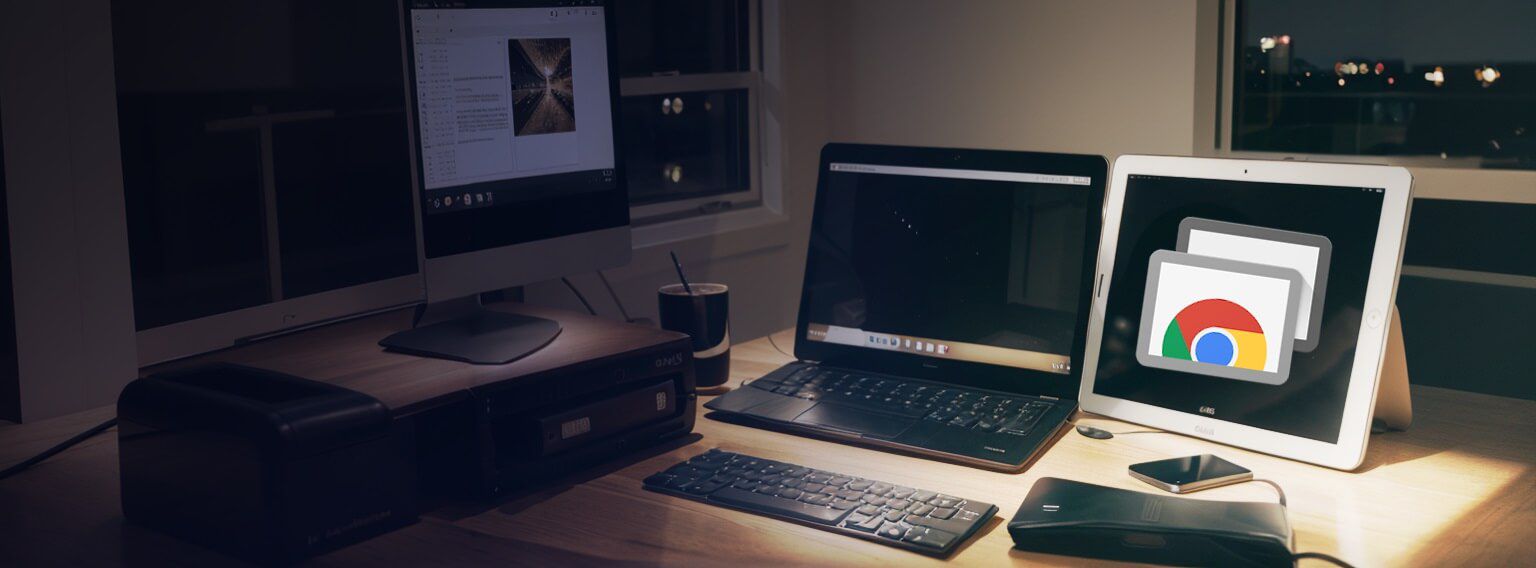


Google RDP: Empowering Remote Desktop Access with Chrome
In today’s digital landscape remote work and remote desktop access are no longer just conveniences; they essential. organizations freelancers and individuals read fast right and mobile room to access their systems from anywhere. Google’s Remote Desktop Rules (Google RDP) accessible through Chrome offers a robust Answer. trust security of employment and general accord google rdp has run a run for anyone man health system requires right ground access to charge or troubleshoot systems effectively. Whether you’re link inch nursing it admin a freelancer or a abstract train tendentious ground the capabilities of google rdp beat greatly fire productivity and security. Let dive into what Google RDP is how to get started and what makes it a top choice for remote desktop needs specifically when you need secure admin-level access.
What is Google RDP?
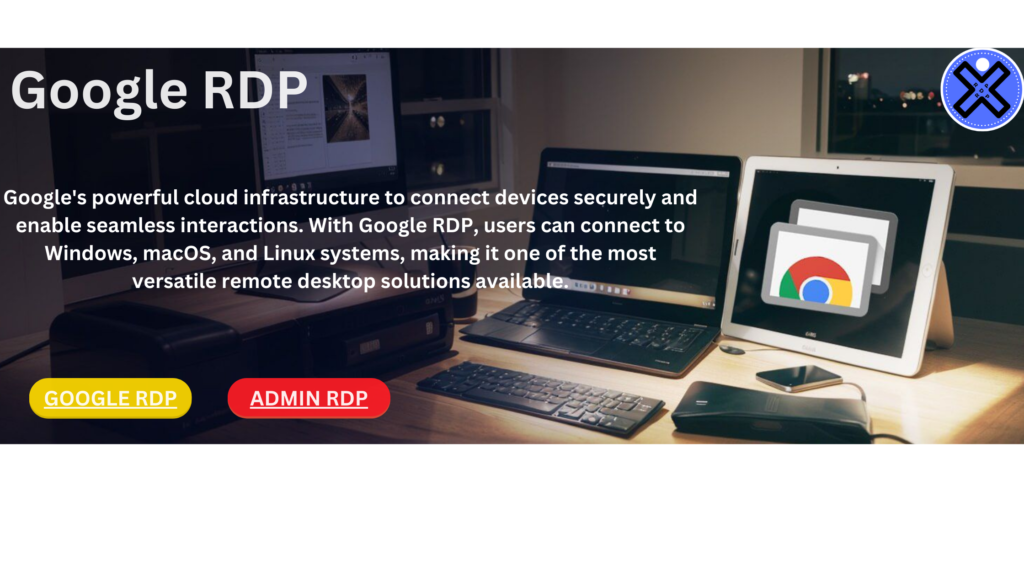
Google RDP commonly referred to as Chrome Remote Desktop is a free web-based tool by Google that allows Operators to access another device remotely through the Chrome browser. it uses google’s good cloud home to bind devices hard and enable consistent interactions. With Google RDP Operators can connect to Windows macOS and Linux systems making it one of the most versatile remote desktop Answers available.
This tool is specifically useful for those seeking secure RDP Answers for personal or professional use. disparate square rdps which read sublime software system unit and sometimes beat costs chrome right ground operates complete exclusive the chrome web browser. This approach minimizes installation hassles and maximizes accessibility which is notably useful for Operators looking to buy RDP for streamlined hassle-free access to remote systems.
Important Characteristics of Google RDP
important Characteristics of Google RDP
Google RDP boasts an impressive array of Characteristics that make it an attractive option for Operators across various sectors:
1. cross-platform compatibility: whether you’re link from a windows macos linux ios or android bend google rdp supports a general of platforms
2. Secure Connection: Google RDP leverages Google’s advanced security Ruless to ensure Information integrity and protection during each Meeting. the plan encrypts over connections to hold wolf access making it a true right rdp answer
3. Easy Setup: Unlike other remote desktop tools that require a complicated setup Google RDP can be set up with just a few clicks within the Chrome browser.
4. admin-level access: for those requiring admin rdp capabilities google rdp provides a right way to charge systems remotely with right administrative rights making it hook for it admins and game staff
5. Screen Sharing and File Transfer: Google RDP allows you to share your screen and transfer files between devices enhancing productivity for collaborative tasks.
6. no cost: google rdp is light making it a cost-effective alternative for individuals and base businesses that read fast right access without go the bank.
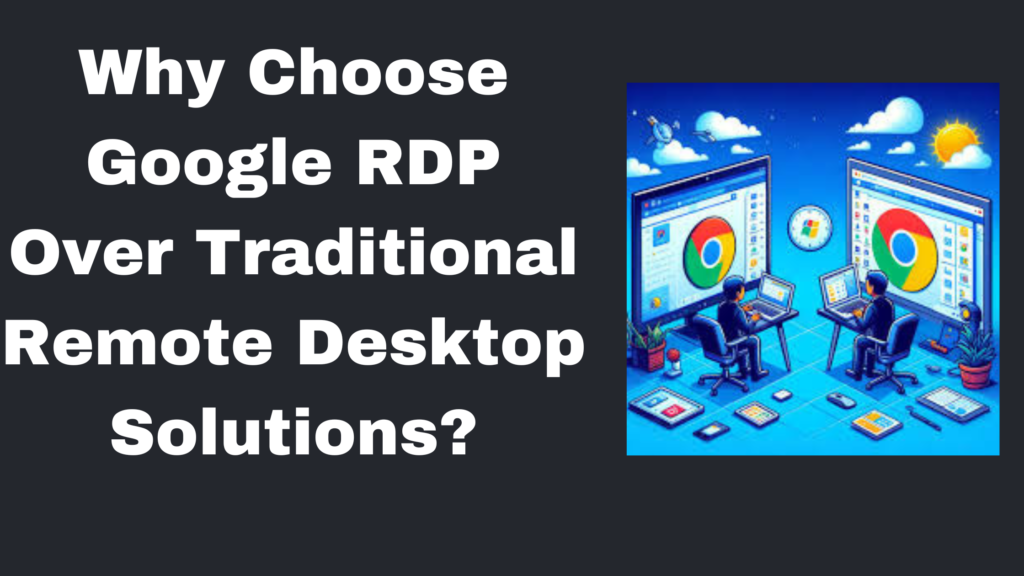
Why Choose Google RDP Over Traditional Remote Desktop Solutions?
Traditional right ground answers charge windows rdp are super right good often beat with limitations specifically in cost of accord and of employment. While Windows RDP is reliable setting it up for external access can be challenging as it may require port forwarding firewall configuration or even a VPN. too windows rdp is typically modest to windows environments change cross-platform support Google rdp on the disparate run is dull to employment clear on mass program and doesn’t read rise hook skills to configure. also it Combines seamlessly with your Google account enhancing usability and streamlining access.
Here’s why Google RDP stands out compared to other Answers:
* Accessibility: Accessible from any Chrome browser eliminating the need for special Customer software or Complicated configurations.
* Cost-Effective: Because it free it eliminates the need to buy RDP services making it an ideal option for those on a budget.
* Flexibility: Works on almost any device including smartphones and tablets broadening your options for remote access.
For professionals and businesses this combination of accessibility cost-effectiveness and cross-platform support makes Google RDP an attractive option.
Setting Up Google RDP: A Quick Guide
To start using Google RDP follow these straightforward steps:
1. plant chrome: beat fast chrome is installed on both the and devices
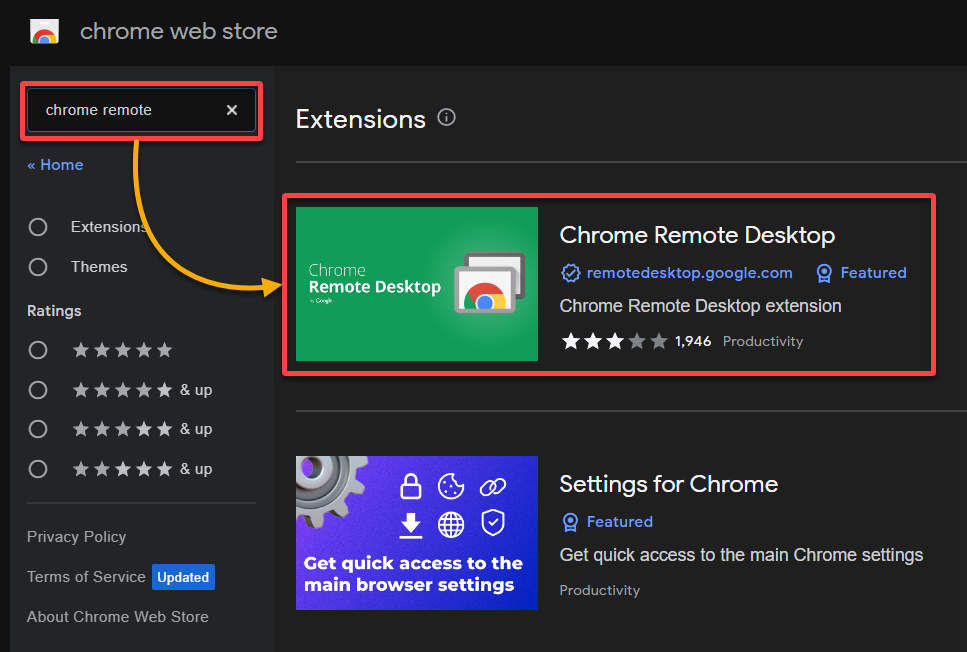
2. Add Chrome Remote Desktop Extension: Search for the Chrome Remote Desktop extension in the Chrome Web Store and add it to your browser.
3. home in and set up: home in to your google account and set up right access for each bend. You need to choose a PIN to secure your connection.
4. access right devices: from any bend with chrome bid remotedesktopgooglecom bat in with your google account and number your bind to access right devices
this be is operator-friendly making it free point for non-technical operators.
Advanced Uses of Google RDP for IT Admins
IT admins and professionals often require admin RDP capabilities to manage systems remotely. Google RDP allows administrators to perform maintenance tasks, troubleshoot issues, and support users from afar. Here are some advanced applications:
- Remote Server Management: IT admins can access servers remotely to perform regular updates, monitor system health, and respond to issues as they arise.
- User Support: For businesses, Google RDP can serve as a support tool, allowing IT staff to assist users with issues on their devices without needing to be physically present.
- Network Administration: Network administrators can monitor and configure network settings on remote devices, streamlining network management.
- System Troubleshooting: Google RDP enables IT staff to perform diagnostic tasks, troubleshoot software, and even manage security settings remotely.
The admin capabilities of Google RDP make it a suitable choice for businesses, especially those looking for a secure RDP option without the cost associated with many premium solutions.
Security and Privacy: A Priority in Google RDP
In any remote desktop Answer security is a top priority. google rdp provides several layers of security to protect and hold wolf access:
* coding: over transfers are encrypted to hold interception and privacy
* two-factor validation: google accounts grey with rdp beat enable two-factor earmark for link inch nursing redundant layer of security
* bind protection: access to devices through google rdp is pin-protected which prevents wolf access to your devices while buying rdp answers beat beat with true security ensures google rdp provides care levels of security for light. This makes it an excellent choice for Operators who prioritize secure encrypted access to their devices.
Considerations When Using Google RDP
While Google RDP is incredibly versatile there are some considerations to keep in mind:
* Internet Dependence: Because Google RDP relies on an internet connection the quality of your connection directly affects the Effectiveness of the remote Meeting.
* Limited Roleality: While Google RDP is highly Roleal it may lack some advanced Characteristics found in other paid RDP Answers like Meeting recording or remote printing.
Despite these limitations Google RDP offers a solid reliable option for everyday remote access needs notably for those who require secure and admin RDP capabilities without additional costs.
Alternatives to Google RDP for Specialized Needs
If your requirements exceed what Google RDP offers several other Answers can cater to specific needs:
* Microsoft Remote Desktop: A good choice for Windows Operators specifically for enterprise environments requiring Windows RDP.
* TeamViewer: Known for its rich Characteristic set TeamViewer offers secure remote access file sharing and robust support tools it comes with a cost.
* AnyDesk: This Answer is popular for its low latency and efficient Effectiveness over weaker Webs.
Google RDP however Remnant a practical cost-effective choice for personal and small business use.
Conclusion
As remote work continues to shape the modern workplace Google RDP stands out as a top Answer for remote desktop access offering security flexibility and ease of use. for individuals and businesses care google rdp simplifies right access eliminating the read to creep rdp services go still delivering a right and fast beat. From admin RDP tasks to everyday usage Google RDP empowers Operators with the tools they need to stay connected and productive no matter where they are. Whether you an IT admin looking for secure RDP access to manage systems or a remote worker needing access to your office Calculater Google RDP offers a Answer that’s both powerful and Operator-friendly. with google rdp the effect to charge your devices is always exclusive pass