


Dedicated IP: Definition, Use Cases, and SEO Considerations
In today’s web ecosystem, access reliability is no longer just about speed or uptime. Websites and platforms now evaluate how users connect, how often they return, and how consistent their access patterns are. Because of this shift, the role of a dedicated IP has become more visible, especially when shared environments start creating instability or unpredictable behaviour.
A dedicated IP often comes into discussion when websites grow, traffic patterns change, or access-sensitive platforms behave inconsistently. This guide explains dedicated IPs from a purely informational point of view—what they are, how they function in real-world environments, how they differ from shared IPs, and how they relate to SEO, website access, and modern remote workflows.
Understanding What a Dedicated IP Is and How It Is Used
A dedicated IP is an IP address that is assigned exclusively to one website, server, or user. Unlike shared IPs, it is not reused by multiple unrelated users at the same time. All traffic and sessions linked to this IP come from a single source.
Because of this exclusivity, the IP develops a clear usage history over time. Platforms see consistent access signals instead of mixed or conflicting activity. This is especially important for systems that analyse long-term behaviour patterns rather than evaluating each visit in isolation.
Dedicated IPs are commonly used in hosting environments, business websites, backend systems, internal dashboards, and testing setups where predictable access behaviour is required.
Dedicated IP vs Shared IP: Practical Differences That Matter
| Factor | Dedicated IP | Shared IP |
|---|---|---|
| IP usage | Single entity | Multiple unrelated users |
| Reputation control | Fully isolated | Shared across users |
| Access stability | High | Variable |
| Impact of others | None | Possible |
Shared IPs are cost-effective and suitable for small or low-risk websites. However, as platforms begin correlating activity across time, shared IPs can introduce unpredictability. Actions performed by other users on the same IP may indirectly affect how that IP is treated.
Dedicated IPs remove this uncertainty by isolating access behaviour and keeping activity signals clean.
Why IP Origin Matters: Residential vs Datacenter

IP exclusivity alone is not enough. Platforms also evaluate where the IP originates.
Datacenter IPs come from hosting providers and cloud infrastructure, while residential IPs are assigned by internet service providers to real household connections. Even when both are dedicated, residential IPs generally resemble normal human browsing behaviour more closely.
This difference affects how platforms interpret login frequency, session duration, browsing consistency, and long-term trust signals. That is why IP origin often matters as much as IP ownership.
Dedicated IP for Websites and Backend Administration
Websites that require frequent backend access—such as CMS dashboards, admin panels, or internal tools—depend heavily on predictable access.
A dedicated IP helps keep backend sessions stable. Login behaviour becomes consistent, security logs remain clean, and troubleshooting access issues becomes simpler. Inshared IP environments, unrelated activity from other users can introduce unnecessary noise.
For growing websites, this isolation improves operational reliability.
Location-Based Content and Geo-Restricted Access
Many websites dynamically adjust content based on IP location. This may include language selection, feature availability, pricing, or legal notices.
A dedicated IP tied to a fixed location allows these systems to behave consistently. Website owners and testers can clearly understand how regional rules are applied without confusion caused by constantly changing IP locations.
This consistency is essential for accurateregional testing and analysis.
Dedicated IP and Account-Based Platform Consistency
Account-based platforms rarely judge access based on a single login. They monitor patterns such as IP stability, session continuity, and access frequency over extended periods.
Using a dedicated IP creates a stable access footprint. Platforms can associate activity with a consistent network identity, making long-term behavior easier to evaluate and less likely to be misinterpreted.
This applies to social platforms, SaaS tools, and internal business systems.
How Dedicated IP Fits Into Modern Website Infrastructure
Modern websites sirf static pages nahi hote. Aaj ke websites APIs, third-party services, admin panels, analytics tools, aur automation systems ke saath constantly interact karte hain. Is environment me network consistency ek important role play karti hai.
Dedicated IP website ko ek fixed network identity deta hai. Iska matlab ye hai ki jab website kisi external service se connect hoti hai—jaise payment gateways, email servers, ya monitoring tools—to uski requests ek predictable source se aati hain. Ye predictability infrastructure-level debugging aur long-term maintenance ko easier bana deti hai.
Shared IP environments me ye clarity nahi hoti, kyunki multiple unrelated users ek hi IP share kar rahe hote hain.
Dedicated IP for Security Monitoring and Access Auditing
Security sirf firewalls aur passwords tak limited nahi hoti. Access logs aur network-level monitoring bhi equally important hote hain.
Dedicated IP ke saath:
- Server logs zyada readable hote hain
- Suspicious activity ko identify karna easier hota hai
- False positives kam hote hain
Jab ek IP sirf ek hi website ya system se linked hota hai, to unusual patterns clearly stand out karte hain. Ye security teams aur site administrators dono ke liye useful hota hai, especially jab access auditing regularly hoti ho.
Dedicated IP and API Communication Stability
Bahut si websites third-party APIs par depend karti hain—payment processors, CRM systems, analytics platforms, aur cloud services.
Kuch APIs IP-based rules use karti hain, jaise:
- Rate limits
- Access whitelisting
- Regional routing
Dedicated IP ke saath API communication stable rehta hai. Agar IP frequently change hota rahe (jaise shared environments me), to API errors, access denials, ya throttling issues aa sakte hain. Dedicated IP is variability ko reduce karta hai.
Dedicated IP in Staging and Pre-Production Environments
Production website ke alawa, staging aur testing environments bhi important hote hain. In environments ka goal hota hai real-world behavior ko simulate karna.
Dedicated IP staging setups ko help karta hai:
- Realistic access behavior test karne me
- Localization aur geo-based rules verify karne me
- Performance issues ko isolate karne me
Shared IP par staging test karne se results distorted ho sakte hain, kyunki environment clean nahi hota.
Dedicated IP and Email Deliverability (Practical Context)
Although email deliverability mainly email servers par depend karti hai, website IP ka indirect role bhi hota hai—especially jab transactional emails ya server-based notifications involved ho.
Dedicated IP ke saath:
- Outgoing server behavior isolated rehta hai
- Reputation kisi aur ke actions se affect nahi hoti
- Debugging delivery issues easier hoti hai
Ye benefit tab zyada relevant hota hai jab website regularly automated emails send karti ho.
Dedicated IP for Long-Term Scalability Planning
Dedicated IP ek short-term fix nahi hota. Ye zyada tar long-term scalability planning ka part hota hai.
Jab website grow karti hai:
- Traffic patterns complex ho jaate hain
- Admin access increase hota hai
- External integrations badhti hain
Dedicated IP ek stable base provide karta hai jiske upar future infrastructure decisions build kiye ja sakte hain. Ye especially useful hota hai jab website business-critical ban jaaye.
Advertisement Visibility and Regional Testing
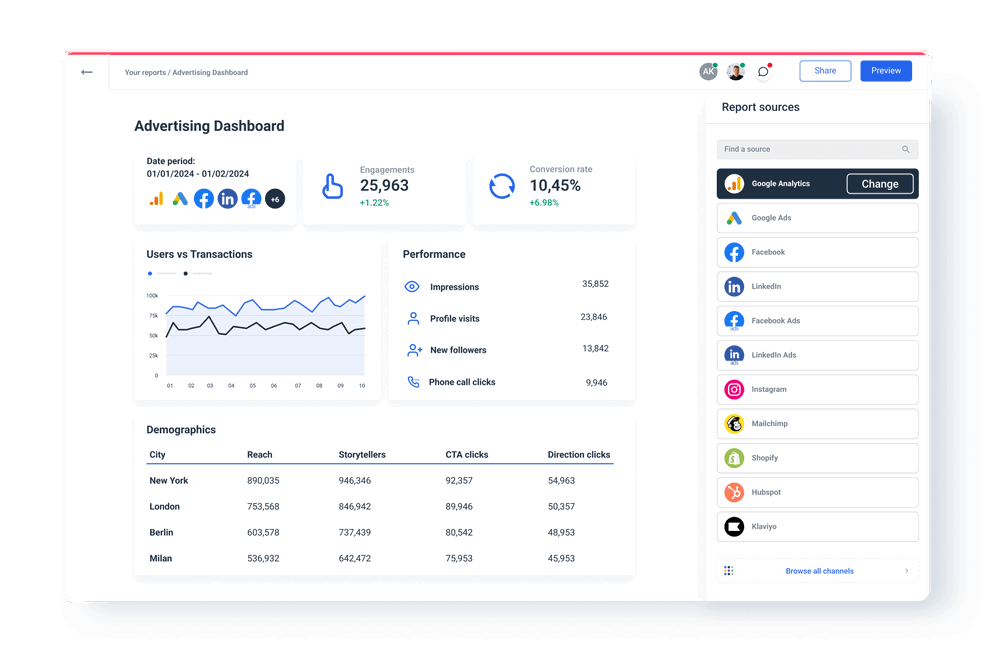
Advertising platforms personalize content heavily based on geographic and behavioral signals. The same campaign can display different creatives or offers in different regions.
A dedicated IP allows analysts to observe advertisements from a fixed geographic context. This helps verify targeting logic, compare messaging across locations, and ensure campaigns behave as expected.
Without a stable IP, ad testing results can become inconsistent.
Dedicated IP and SEO: What It Helps With (and What It Does Not)
A common question is whether a dedicated IP improves SEO rankings. From a ranking perspective, the answer is no—search engines do not treat dedicated IPs as a direct ranking factor.
However, dedicated IPs are valuable for SEO analysis and diagnostics. They help maintain consistent geographic signals when checking local SERPs, comparing competitors, and debugging region-specific visibility issues.
The benefit lies in accuracy and clarity, not ranking manipulation.
Dedicated IP in Market Research and E-commerce Monitoring
Market research often requires viewing content exactly as a local user would. Dedicated IPs make pricing, offers, and content variations easier to observe accurately.
In e-commerce environments, dedicated IPs support consistent monitoring of regional pricing, stock availability, shipping options, and promotional behavior. This helps identify real trends instead of one-time anomalies.
Website Behavior and Localization Testing
Websites rely on IP-based signals to control redirects, layouts, and language settings. When IP conditions change frequently, test results can become misleading.
A dedicated IP provides fixed testing conditions. Teams can evaluate localization rules clearly and identify genuine issues without interference from changing network variables.
Remote Access, Long Sessions, and RDP Context
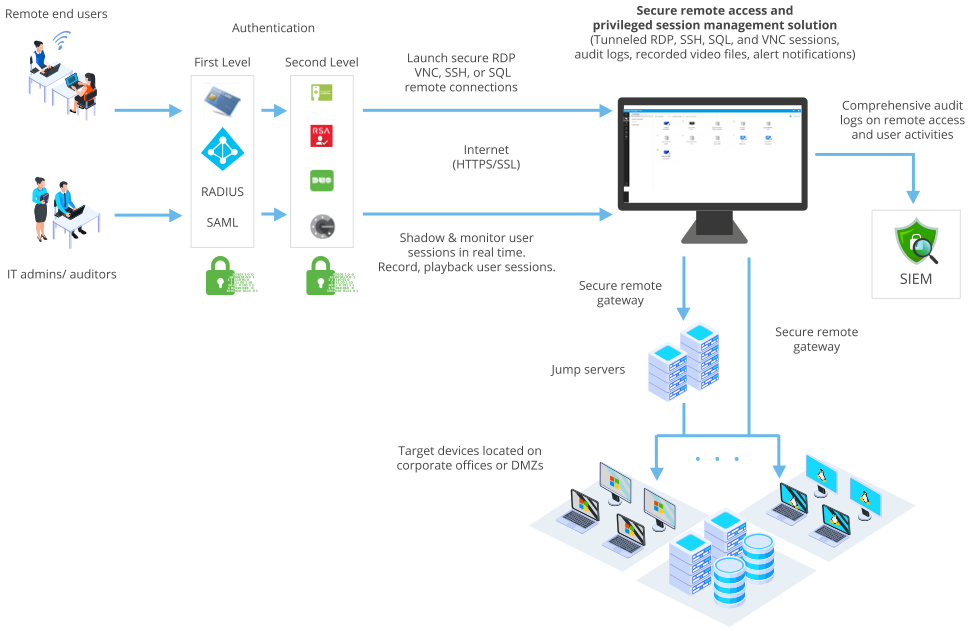
Remote access tools and administrative systems often depend on long-running sessions. Frequent IP changes can interrupt sessions or trigger additional security checks.
Dedicated IPs help maintain a stable network identity, reducing session drops and improving reliability. In some setups, dedicated IPs are paired with residential remote desktop environments to further stabilize access behavior.
Limitations of Dedicated IPs
A dedicated IP controls only one layer of access. Platforms also evaluate device fingerprints, browser behavior, routing paths, and session-level interaction patterns.
Because of this, a dedicated IP alone cannot guarantee consistent access if the surrounding environment changes frequently. Understanding these limits helps set realistic expectations.
Conclusion: How Dedicated IPs Should Be Viewed Today
A dedicated IP is best understood as a stability and control tool, not a shortcut or ranking trick.
It becomes valuable when access patterns must remain consistent, testing environments require isolation, or long-term behavior analysis is important. When combined with a stable environment, a dedicated IP plays a meaningful role in modern web infrastructure.
Dedicated IP : Frequently Asked Questions (FAQs)
A dedicated IP address is an IP that is assigned to a single website, server, or user only. Unlike shared IPs, it is not used by multiple unrelated users, which helps maintain consistent access behavior and a clear usage history over time.
A shared IP is used by multiple websites or users at the same time, while a dedicated IP is used by only one entity. The main difference lies in access stability, reputation control, and predictability, especially for platforms that track long-term behavior.
You may need a dedicated IP if your website requires frequent backend access, handles sensitive data, or relies on consistent access patterns. For small or low-traffic websites, a shared IP is often sufficient.
A dedicated IP does not directly improve search engine rankings. Search engines do not treat dedicated IPs as a ranking factor. However, a dedicated IP can help with SEO analysis, such as checking location-based search results or diagnosing regional visibility issues.
High-traffic websites often benefit from a dedicated IP because it isolates access behavior and reduces unpredictability caused by shared environments. While not mandatory, it can improve operational stability as traffic grows.
The main benefits include predictable access behavior, isolated IP reputation, easier troubleshooting, and better consistency for admin access, testing, and analysis workflows. It is primarily a stability and control tool.