


A Windows Virtual Machine (Windows VM) is a virtualized example of the Windows operating system running on a bunch of laptop or cloud infrastructure. It permits users to run more than one operating system on a single bodily system, improving flexibility, performance, and price savings.
With a Windows Virtual Machine, businesses and individuals can test software, run legacy packages, or create remote environments for improvement and cybersecurity purposes. It is commonly deployed on virtualization structures like Hyper-V, VMware, and cloud offerings such as Microsoft Azure, AWS, and Google Cloud.
One of the biggest advantages of the usage of a Windows VM is its scalability and far off accessibility. Users can configure resources which include CPU, RAM, and garage based totally on their needs, making it a flexible solution for various workloads. Additionally, it allows steady remote access, permitting groups to work from everywhere without compromising data protection.
Whether for personal use, commercial enterprise applications, or cloud computing, a Windows Virtual Machine is a powerful tool that complements productivity while decreasing hardware dependencies.

What Are the Use Cases for Windows Virtual Machine?
A Windows Virtual Machine (VM) is a powerful tool that permits users to run a fully useful Windows operating machine in a virtualized environment. Whether deployed on-premises or inside the cloud, Windows VM offers flexibility, protection, and scalability, making it ideal for diverse applications throughout industries. Here are some key use instances for Windows Virtual Machine:
1. Remote Work and Accessibility
A Windows VM lets teams access their work environment from anywhere. Employees can log in from any device, which keeps things flexible and avoids dependence on a single physical machine.
2. Software Development and Testing
Developers use Windows VMs to build, test, and debug in isolated environments. Running multiple VMs makes it easy to test apps across different Windows versions without extra hardware.
3. Running Legacy Applications
Many businesses still rely on older software. A Windows VM allows those apps to run smoothly on modern systems, so there’s no need to replace critical tools right away.
4. Cybersecurity and Sandboxing
Security teams use VMs to safely analyze files, test updates, and run experiments. Since everything is isolated, any threats stay contained and don’t affect the main system.
5. Virtual Desktop Infrastructure (VDI)
Windows VMs are widely used in VDI setups to deliver full desktop environments remotely. This helps reduce hardware costs and gives IT teams better control over systems and security.
6. Cloud Hosting and Web Servers
Businesses often run applications and websites on Windows VMs in the cloud. It offers flexibility, easy scaling, and better uptime compared to traditional hosting setups.
7. Education and Training
Training centers and institutions use VMs to create hands-on labs. Students can practice real-world tasks like system setup and networking in a safe, controlled environment.
8. Gaming and High-Performance Workloads
Some users run games or heavy workloads on Windows VMs, especially through cloud-based setups. It’s also useful for tasks like rendering or data processing where extra compute power is needed.
Advantages and Disadvantages of Windows Virtual Machine
A Windows Virtual Machine (VM) is a virtualized computing environment that runs the Windows operating system on a host machine, typically using virtualization software such as Hyper-V, VMware, or VirtualBox. It allows users to run multiple operating systems on a single physical computer, making it a powerful tool for businesses, developers, and IT professionals. However, like any technology, a Windows VM comes with its own set of advantages and disadvantages.
Advantages of Windows Virtual Machine
- Cost-Effective
Running a Windows VM eliminates the need for multiple physical machines, reducing hardware costs. Businesses can save money by utilizing virtual resources instead of investing in separate devices for different tasks. - Efficient Resource Utilization
Virtual machines allow for optimized resource allocation, ensuring that CPU, RAM, and storage are efficiently used across multiple VMs on a single physical server. - Enhanced Security
Windows VMs offer isolation between different environments. If one virtual machine is compromised by malware or a virus, the others remain unaffected, improving overall security. - Easy Backup and Recovery
Virtual machines can be easily backed up and restored using snapshots and cloning features, reducing downtime in case of system failure or corruption. - Testing and Development
Developers and IT professionals can use a Windows VM to test new software, applications, and security patches without affecting their primary operating system. - Scalability and Flexibility
A Windows Virtual Machine allows businesses to scale up or down based on their needs. Organizations can quickly deploy new VMs without the hassle of setting up new hardware. - Supports Legacy Applications
Older applications that may not run on modern operating systems can still be used on a Windows VM, making it an excellent choice for businesses that rely on legacy software.
Disadvantages of Windows Virtual Machine
- Performance Overhead
Running a Windows VM requires significant resources from the host machine. If not properly allocated, performance issues like lagging and slow processing can arise, especially on lower-end hardware. - Complex Setup and Management
Setting up and managing a Windows Virtual Machine can be complex, requiring knowledge of virtualization technologies and system administration. - Higher Initial Investment for Enterprise Use
While Windows VMs reduce hardware costs, enterprise-level virtualization solutions often require high-end servers, licenses, and specialized IT staff, leading to higher initial costs. - Potential Security Risks
Although virtual machines provide isolation, misconfigured security settings or unpatched vulnerabilities can expose the host system to cyber threats. - Limited Hardware Access
A Windows Virtual Machine may not support direct access to certain hardware components like GPUs, printers, and USB devices, limiting functionality in some cases. - Licensing Costs
Running multiple instances of Windows VMs often requires additional Windows licenses, which can be costly for businesses with large-scale virtualization needs.
How to Set Up a Windows Virtual Machine
Setting up a VM with Windows is an amazing way to run more than one operating system on a single device, test software, or create a steady environment for precise tasks. A virtual device (VM) permits you to simulate a computer within your current system using a virtualization software program. Here’s a step-by-step guide to setting up a Windows digital machine.
1: Choose a Virtualization Software
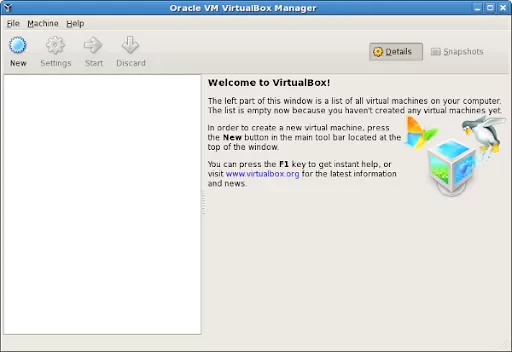
- To create a VM with Windows, you want a virtualization platform. Some popular options include:
- VMware Workstation Player (free for private use)
- Oracle VirtualBox (open-source and free)
- Microsoft Hyper-V (built into Windows Pro and Enterprise versions)
2: Download the Windows ISO File
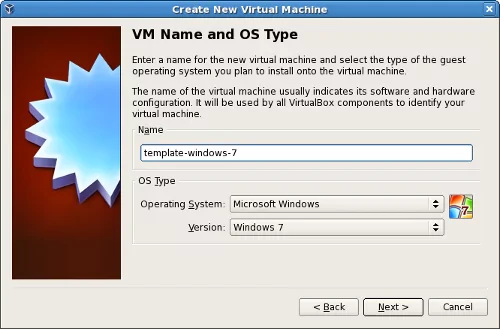
- You want a Windows installation document to set up your VM. You can download a reputable Windows ISO from Microsoft’s website. Ensure you pick the precise version (Windows 10, eleven, or a server edition) primarily based on your needs.
3: Create a New Virtual Machine
- Open your chosen virtualization software program.
- Click “Create a new digital machine” or similar.
- Select the downloaded Windows ISO document as the installation media.
- Choose an operating machine version (Windows 10, Windows 11, and many others).
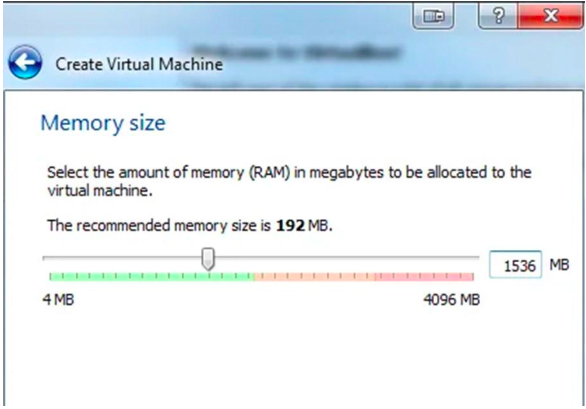
- Assign sources that include RAM (at least 4GB for easy performance) and CPU cores.
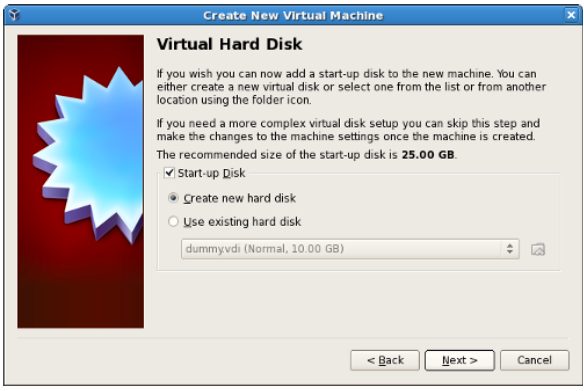
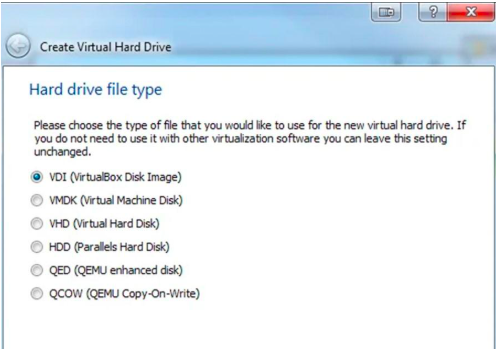
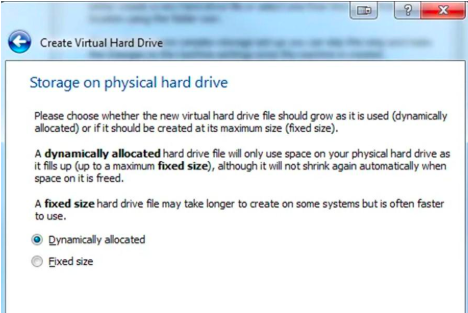
- Create a virtual hard disk (20GB+ encouraged).
4: Run Windows on a Virtual Machine:
- Start the VM and boot from the Windows ISO.
- Follow the setup prompts, which include deciding on a language, putting in place a personal account, and choosing installation settings.
- Once mounted, deploy VMware Tools or VirtualBox Guest Additions to enhance performance and enable capabilities like clipboard sharing and full-screen mode.
5: Configure and Optimize the VM
- Adjust display resolution and gadget settings.
- Enable network sharing if wished.
- Install necessary drivers and updates.
6: Secure and Back Up Your VM
- Keep Windows updated with safety patches.
- Take VM snapshots earlier than making predominant adjustments.
- Enable firewalls and antivirus safety.
Different Kinds of Hypervisor Software
A hypervisor is a crucial component in virtualization that allows multiple virtual machines (VMs) to run on a single physical machine. Hypervisors enable businesses and individuals to optimize resource utilization, enhance security, and improve scalability. There are two main types of hypervisors: Type 1 (Bare-Metal) and Type 2 (Hosted).
1. Type 1 Hypervisors (Bare-Metal Hypervisors)
Type 1 hypervisors run directly on the hardware without needing a host operating system. These are commonly used in enterprise environments and data centers due to their efficiency and performance.
Popular Type 1 Hypervisors:
- VMware ESXi – A widely used enterprise-grade hypervisor known for its robust performance and security.
- Microsoft Hyper-V – A powerful virtualization solution integrated into Windows Server, making it a preferred choice for businesses using Windows-based VMs.
- Xen – An open-source hypervisor known for its flexibility and support for cloud computing.
- KVM (Kernel-based Virtual Machine) – A Linux-based hypervisor that turns Linux into a powerful virtualization host.
2. Type 2 Hypervisors (Hosted Hypervisors)
Type 2 hypervisors run on top of an existing operating system rather than directly on the hardware. These are commonly used for testing, development, and running different OS environments on personal computers.
Popular Type 2 Hypervisors:
- VMware Workstation & VMware Player – Used for running multiple operating systems on a desktop.
- Oracle VirtualBox – A free and open-source hypervisor that supports multiple guest OS types.
- Parallels Desktop – Primarily used for running Windows on macOS systems.
- QEMU – An open-source emulator and hypervisor used for testing and development.
Choosing the Right Hypervisor for Your Needs
The desire between Type 1 and Type 2 hypervisors depends on the use case. If you’re searching for employer-level virtualization, Hyper-V, VMware ESXi, or KVM could be perfect. However, if you want a lightweight solution for personal use, VirtualBox or VMware Workstation might be more suitable.
For companies or people looking to set up a VM with Windows, Hyper-V is a super option as it integrates seamlessly with Windows Server and Windows 10/11 Pro. It provides high performance and protection, making it a preferred preference for running Windows-based digital machines.
By know-how the one-of-a-kind sorts of hypervisors and their applications, you may make an informed selection based on your unique virtualization wishes.
Top Platforms for Windows Virtual Machines
Virtual machines (VMs) have revolutionized the way businesses and individuals deploy and manage computing resources. Whether for development, testing, or remote access, a VM with Windows offers flexibility, security, and scalability. Here are some of the best platforms to run a Windows VM in 2024:
1. Microsoft Azure
Microsoft Azure is one of the most popular cloud computing platforms, providing a wide range of Windows VM options. With its seamless integration with other Microsoft services, Azure is ideal for enterprises that rely on Windows-based applications. Key benefits include:
- Pre-configured Windows Server VMs
- High scalability with pay-as-you-go pricing
- Advanced security and compliance features
- Seamless integration with Microsoft 365 and Active Directory
2. Amazon Web Services (AWS) EC2
AWS is a global leader in cloud computing, and its Amazon EC2 Windows Instances are widely used for hosting Windows workloads. Features include:
- Flexible VM configurations for different use cases
- Support for Windows Server and Windows Desktop environments
- Automatic scaling and load balancing
- Reliable backup and disaster recovery solutions
3. Google Cloud Platform (GCP)
Google Cloud provides Windows VM hosting through its Compute Engine service. It’s a great option for businesses that require powerful cloud infrastructure with competitive pricing. Benefits include:
- Optimized performance for Windows-based applications
- Custom machine types to meet specific needs
- Integrated support for Microsoft SQL Server
- Cost-efficient, with sustained usage discounts
4. VMware Cloud on AWS
VMware Cloud on AWS combines VMware’s industry-leading virtualization technology with AWS’s cloud infrastructure. It’s an excellent choice for businesses already using VMware solutions. Features include:
- Easy migration from on-premise Windows VMs
- High availability and disaster recovery options
- Seamless integration with existing VMware vSphere environments
- Scalable architecture for growing businesses
5. Oracle Cloud Infrastructure (OCI)
Oracle Cloud Infrastructure is another strong contender for hosting Windows Virtual Machines. It offers high-performance computing with cost-effective pricing. Highlights include:
- High-speed networking for Windows VMs
- Dedicated Windows Server support
- Competitive pricing with free-tier options
- Integration with Oracle databases and applications
6. DigitalOcean
DigitalOcean is well-known for its developer-friendly cloud services. While it traditionally focused on Linux-based VMs, it now provides Windows VM hosting with the following advantages:
- Simple pricing structure
- Fast provisioning of Windows instances
- Strong developer tools and API support
7. Vultr
Vultr offers affordable and high-performance cloud computing with Windows VM support. It is popular among startups and small businesses due to:
- Low-cost Windows VPS options
- Global data centers for reduced latency
- Simple and intuitive control panel
Types of Windows Virtual Machines by Function
Windows Virtual Machines (VMs) provide flexible, scalable, and cost-effective computing environments for various use cases. Depending on the function, different types of VMs with Windows are available to cater to diverse business and personal needs. Below are the primary types categorized by function:
1. General-Purpose Windows Virtual Machines
These VMs are designed for a broad range of workloads, including application hosting, development, and testing. They balance CPU, memory, and storage resources to offer optimal performance. Microsoft Azure provides multiple general-purpose Windows VM sizes, such as the D-series and B-series, making them ideal for small to medium workloads.
2. Compute-Optimized Windows VMs
For applications requiring high processing power, compute-optimized VMs with Windows deliver superior CPU performance. These VMs are commonly used for scientific computations, data analysis, and high-performance application hosting. The F-series in Azure falls under this category, offering a high CPU-to-memory ratio.
3. Memory-Optimized Windows Virtual Machines
Memory-intensive applications like large databases, in-memory analytics, and enterprise-grade workloads need memory-optimized VMs. The E-series and M-series in Azure provide enhanced RAM capacity, ensuring smooth performance for memory-demanding applications.
4. Storage-Optimized Windows VMs
For applications requiring high I/O operations, such as big data processing and large-scale transactional databases, storage-optimized VMs with Windows are ideal. These VMs, like the L-series in Azure, offer high-throughput disk performance, ensuring faster data access and processing speeds.
5. GPU-Optimized Windows Virtual Machines
Graphics Processing Unit (GPU) optimized Windows VMs are built for intensive graphical workloads, including 3D modeling, video rendering, AI, and machine learning. The NV and NC series in Azure provide dedicated GPU resources, ensuring high graphical and computational performance.
6. Networking-Optimized Windows VMs
For businesses that require low-latency networking and high bandwidth, networking-optimized Windows VM instances are the best choice. These VMs are ideal for scenarios such as Virtual Desktop Infrastructure (VDI), gaming servers, and network appliances. The H-series and specific high-speed configurations in Azure ensure efficient data transfer.
7. Confidential Windows Virtual Machines
Security-sensitive workloads, such as financial transactions and healthcare applications, require confidential computing environments. Windows confidential VMs leverage hardware-based encryption to protect data in use, offering enhanced security for critical workloads.
8. AI and Machine Learning VMs
For businesses leveraging artificial intelligence and machine learning models, AI-optimized VMs with Windows provide powerful processing capabilities. Azure’s ND-series supports deep learning training with high-performance GPUs and specialized hardware for AI workloads.
Conclusion
AWin Virtual Machine offers a powerful and flexible way to run a couple of operating systems on a single tool, making it an essential tool for developers, IT experts, and companies. Whether you want to check packages, enhance safety, or run legacy software programs, a VM with Windows affords an unbroken virtualization experience.
By leveraging virtualization structures like Microsoft Hyper-V, VMware, or VirtualBox, customers can efficiently manage their computing resources even while keeping isolation among unique environments. With improvements in Windows 11 and Windows Server 2025, digital machines continue to evolve, presenting higher overall performance, protection, and integration with cloud solutions.
If you’re considering putting in place a Windows virtual machine, make certain you pick the right software program, allocate enough resources, and comply with high-quality practices for safety and performance. Whether for personal use, organisation applications, or cloud-based deployments, a VM with Windows remains a reliable and scalable solution for cutting-edge computing needs.